How does Huayang inspect knitwear orders?

Every garment in every order is inspected by Huayang's independent inspection department using Japanese inspection standards. Agree the order's acceptance criteria against the specification and approved sample, including the product details that matter to your retail programme. Manufacturing and inspection take place at our Haiyang factory in China.
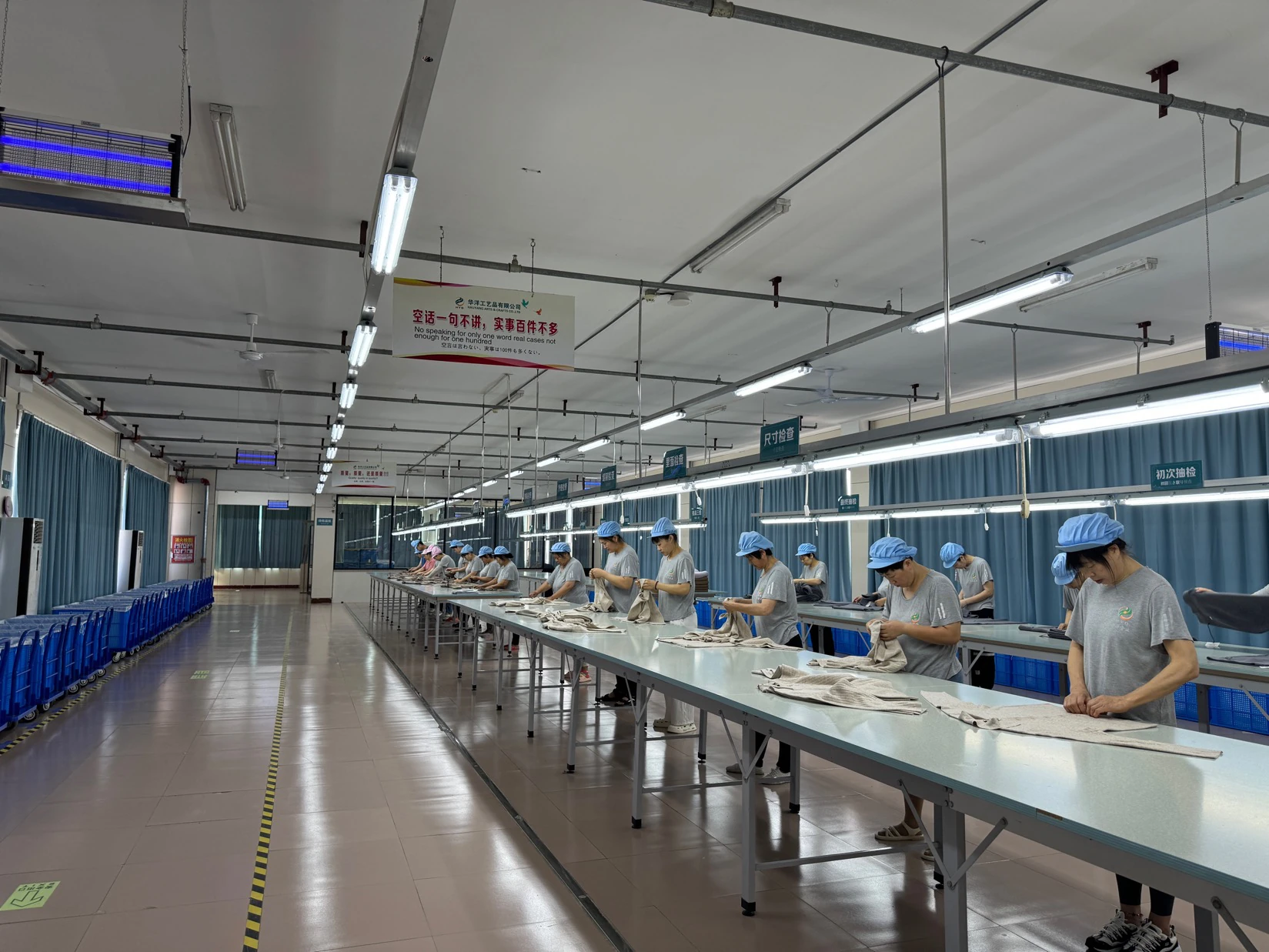
Huayang independent inspection department · full inspection to Japanese standards

A clear product basis for quality decisions

For value and mid-market knitwear, dependable quality starts with clear priorities. A basic layering cardigan, a textured pullover and a seasonal jacquard style need different attention to fit, surface appearance and finishing. Identify the details that define your product before discussing alternatives against a target price.

Use the agreed specification and approved sample as the common reference for your buying team and Huayang. Discuss and agree the following items for your order.

  • Specification version and approved sample reference, with any agreed changes clearly identified.
  • Measurement points, size specification, fit reference and agreed tolerances.
  • Yarn proposal, colour references, knit structure, motif placement and surface appearance.
  • Finishing and hand-feel reference, including any agreed washing treatment.
  • Brand labels, size marking, care information and packing requirements.

Separate garment inspection from other sourcing evidence

Our all-order, individual-garment inspection is a production capability. Material claims, laboratory tests and factory social audits address other sourcing questions. Review each against the requirement it is intended to support.

If your retail programme requires a particular test or certificate, list it in the project brief. Agree the applicable scope, test requirements, report or order documentation, and responsibility for arranging it before relying on it for the order.

Keep approvals usable across the buying team

For OEM, identify the supplied design and specification that your team wants to retain. For ODM, record which development choices are approved as the product takes shape. In either case, a dated specification and sample reference help everyone discuss the same product.

Use the acceptance brief below to agree what needs checking and what information your team needs to review. Confirm the suitable inspection records and any test arrangements together for the project.

Four different parts of a sourcing review

Four different parts of a sourcing review
Review areaQuestion it addressesWhat to agree or review
Individual garment inspectionHow is the order covered by garment inspection?Every garment in every order is inspected by our independent department to Japanese standards. Agree the product acceptance criteria and requested order records.
Order-specific testingWhich specified performance or product requirements need a test result?Agree the required method, sample basis, laboratory or testing arrangement, report and acceptance criteria for the project.
Certification and material documentationDoes a claimed programme apply to the proposed product, material and supply chain?Review the holder, site, scope, dates and applicable order documents. Confirm the claim you intend to use for this order.
Factory social auditsWhat evidence is available for the factory's social-responsibility review?Review the relevant BSCI or SMETA audit record, site, audit date and buyer access arrangements. These records serve a different purpose from garment acceptance.

Example: a knitwear acceptance brief

Illustrative buyer template for agreement with Huayang. Complete the requirements for your project, then confirm the applicable checks and record format together.

  • Project, destination market, style list, size range and colour split.
  • Agreed specification version, approved sample reference and approval date.
  • Acceptance priorities: fit and measurement points, appearance, motif position, finishing, labels and packing, as applicable.
  • Agreed tolerances or appearance references, with open questions recorded for confirmation.
  • Required tests or material claims, the relevant scope, and the documents your buying team needs.
  • Requested inspection information: garment/order identification, agreed criteria, findings and any questions for review; confirm the suitable record format together.
  • People responsible for approving the specification, sample and any subsequent changes.

Questions buyers ask

Does Huayang inspect every garment or only a sample of the order?

Every garment in every order is inspected by our independent inspection department using Japanese inspection standards.

What should we agree when specifying Japanese-standard inspection?

Identify the order's specification and approved sample, then agree the acceptance criteria relevant to your product and market. Include measurement tolerances, appearance references and any required records or tests in that discussion.

How should quality requirements be prepared for OEM and ODM?

For OEM, start with the design and specification you provide. For ODM, record the agreed development choices and approved sample. In both cases, confirm the specification version and acceptance criteria for the final product.

Which documents should our buying team request?

Prepare a list based on the order: the agreed specification and sample reference, requested inspection information, any agreed test reports, and documents for the material or certification claims you need. The compliance page explains the different certification and audit records available for sourcing review.